Discipline as Self-Respect
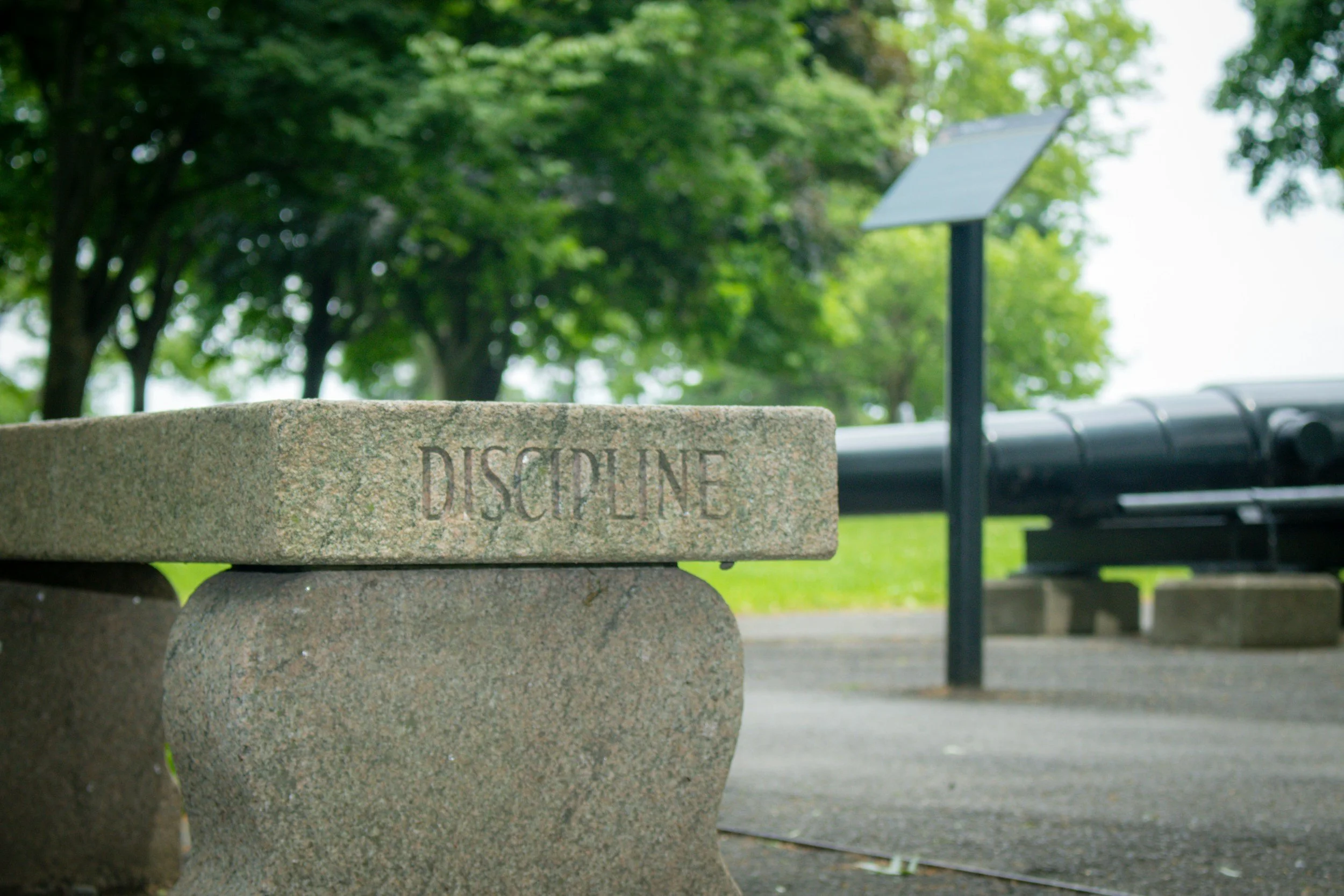
There’s a quiet power in discipline.
For years, I thought discipline meant restriction or pressure. I thought it meant doing everything perfectly, on someone else’s schedule, with a rigid checklist and no room for error. I tried that approach many times, and it never lasted. I felt exhausted, frustrated, and small.
The shift came when I started seeing discipline differently—not as punishment, but as self-respect.
Discipline Is an Act of Trust
When I set boundaries for my time, when I show up for the work that matters, when I follow through even when I don’t feel like it—it’s an act of trust with myself.
Discipline tells your mind and body:
I value my time. I value my goals. I value myself.
This mindset changes everything. Structure stops feeling like a burden and starts feeling like a gift—an act of care rather than a chore.
Small Habits Build Big Respect
Discipline doesn’t have to look dramatic. It’s not about endless lists or early mornings that drain you. It’s about small, consistent actions that honor your life:
Showing up for 15 minutes of writing before the day starts
Choosing nourishing food without guilt
Planning your week with intention instead of reaction
Saying no when something doesn’t serve your priorities
Every small choice is a statement: I respect myself enough to do this for me.
Mindset Matters More Than Motivation
I used to wait for motivation to appear, thinking I’d naturally feel disciplined if I just “wanted it enough.” But motivation is fleeting. Discipline is steady. Discipline is the bridge between intention and action.
When I started prioritizing structure over feelings, I noticed a difference in everything—my energy, my confidence, my ability to make decisions. I didn’t need to feel motivated first; I just needed to show up.
Structure Is Freedom
The irony is that discipline creates freedom. The structure of consistent habits opens up space for creativity, rest, and clarity. I have more energy because I’m not constantly reacting. I have more focus because I know my priorities. I have more peace because I trust myself.
Discipline doesn’t limit me—it frees me to live on my terms.
Making Self-Respect Your Priority
Discipline isn’t about perfection. It’s about alignment.
When you see discipline as an act of self-respect, your goals shift from external expectations to internal care. You don’t do things to impress anyone or “check the box.” You do them because you respect yourself enough to follow through.
Final Reflection
Structure is a form of self-trust. Discipline is a declaration that your life, your time, and your well-being matter.
When you show up for yourself consistently, you build momentum, confidence, and respect—for your goals, for your time, and for yourself.
It doesn’t have to look perfect. It just has to be consistent. And that is enough to change everything.